Choose a PVC tarpaulin by its construction, finished dimensions and attachment details. Start with your application, handling needs and destination so the proposed specification matches the job.
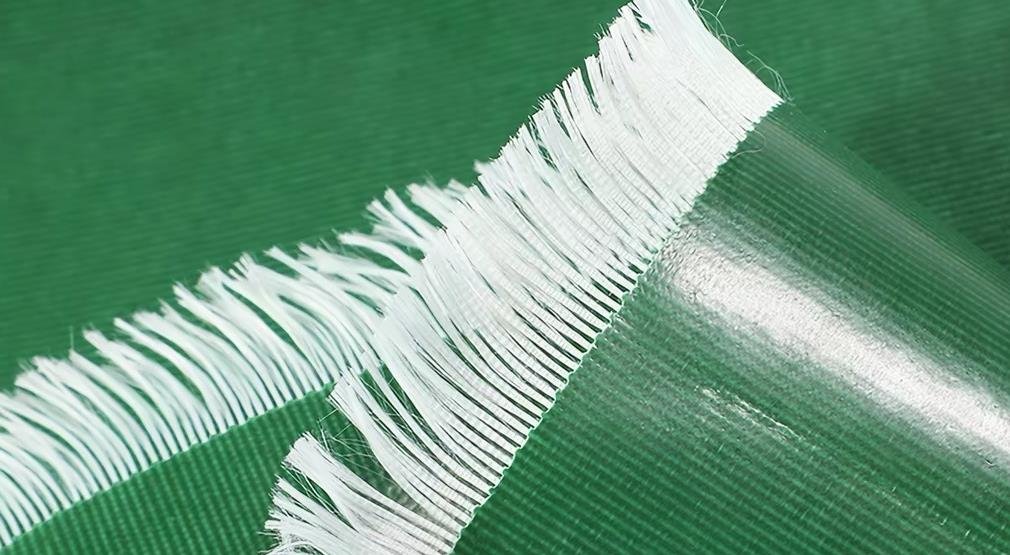
Made for rain, repeated handling and outdoor use
TarpVera PVC tarpaulins combine waterproof rain protection, resistance to tearing and pulling, cold-weather and frost resistance, durable construction and an easy-to-clean surface.
Choose the material, finished size and reinforcement for the way your cover will be used. Specific temperature limits, strength values and service-life requirements are confirmed for the selected specification.
Where our PVC tarpaulins are used
- Transport & logistics: truck and car covers, stations, ports, harbours and docks.
- Storage: outdoor warehouse stockpiles, stored goods and grain storage.
- Agriculture: crop shading and protection from rain.
- Outdoor projects: canopies, rain shelters, fish ponds and landscaping projects.
Tell us whether the fabric will cover an object, form a shelter or be used in a pond so we can discuss the appropriate material and construction.
1. Describe the use and exposure
Explain what you need to cover, whether it stays outdoors, and how often it will be folded or moved. Include cargo contact points, rain exposure and any project-specific performance requirements.
2. Confirm construction, weight and thickness
Ask for the base fabric, coating and quoted GSM. GSM is weight per square metre; thickness is a separate measurement. Compare a complete specification instead of selecting by one number alone.
Product details & material comparison
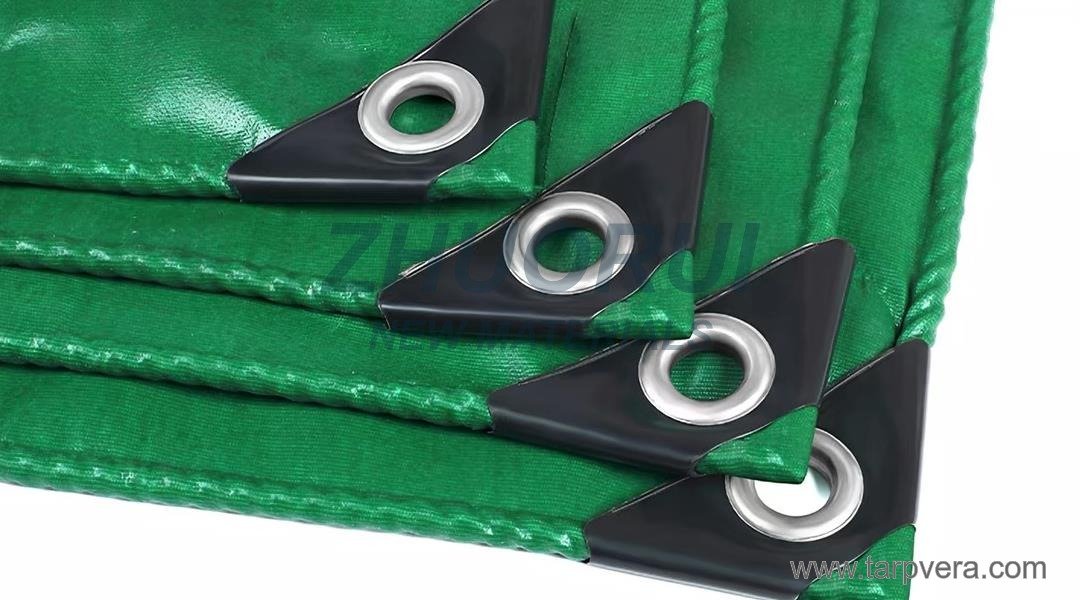
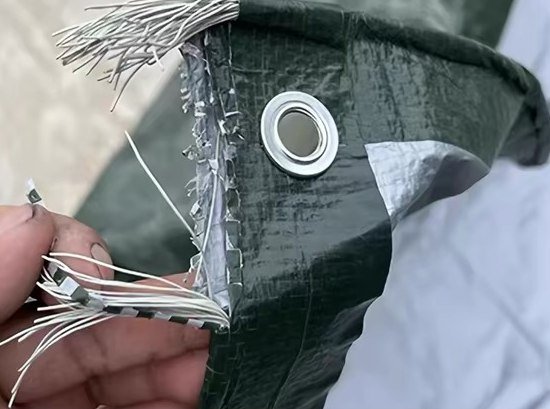
Compare the coated surface, woven core and edge construction when choosing a cover.
3. Specify finished dimensions and attachments
State length, width and units. Add height and a drawing for fitted covers. Agree finished-size tolerances, seam locations, reinforced edges, eyelet spacing, corner reinforcement and openings.
See eyelet, corner and seam examples →
4. Compare quotations on the same basis
Use the same dimensions, construction, colour, finishing, quantity and destination. Confirm currency, price unit, minimum quantity, packaging and which delivery charges are included.
5. Review samples and supporting documents
Samples and sample shipping are free; confirm availability and dispatch arrangements. Review the proposed colour and material sample. Request relevant reports for the exact specification; a photo or colour does not establish a waterproof rating, UV performance or fixed service life.
Ready to discuss your PVC order?
Send your application, dimensions, quantity and destination. We will confirm the material, finishing and supply details for your order.
Request a Quote