Choosing a PVC cover for tropical rain? Start with the fabric, drainage and fixing points, then confirm the finished size and sample.
Three things to check
- Fabric: waterproof coating and tear resistance for handling.
- Installation: drainage, reinforced edges and secure fixing points.
- Fit: finished dimensions, colour and an approved sample.
1. Describe the exposure
Tell us whether the cover will face daily rain, direct sun, coastal air, frequent folding or rubbing against cargo. Include the expected installation period and whether the cover stays in place or travels with a load. State any test method or performance requirement from your project specification.
View an outdoor-storage cover illustration
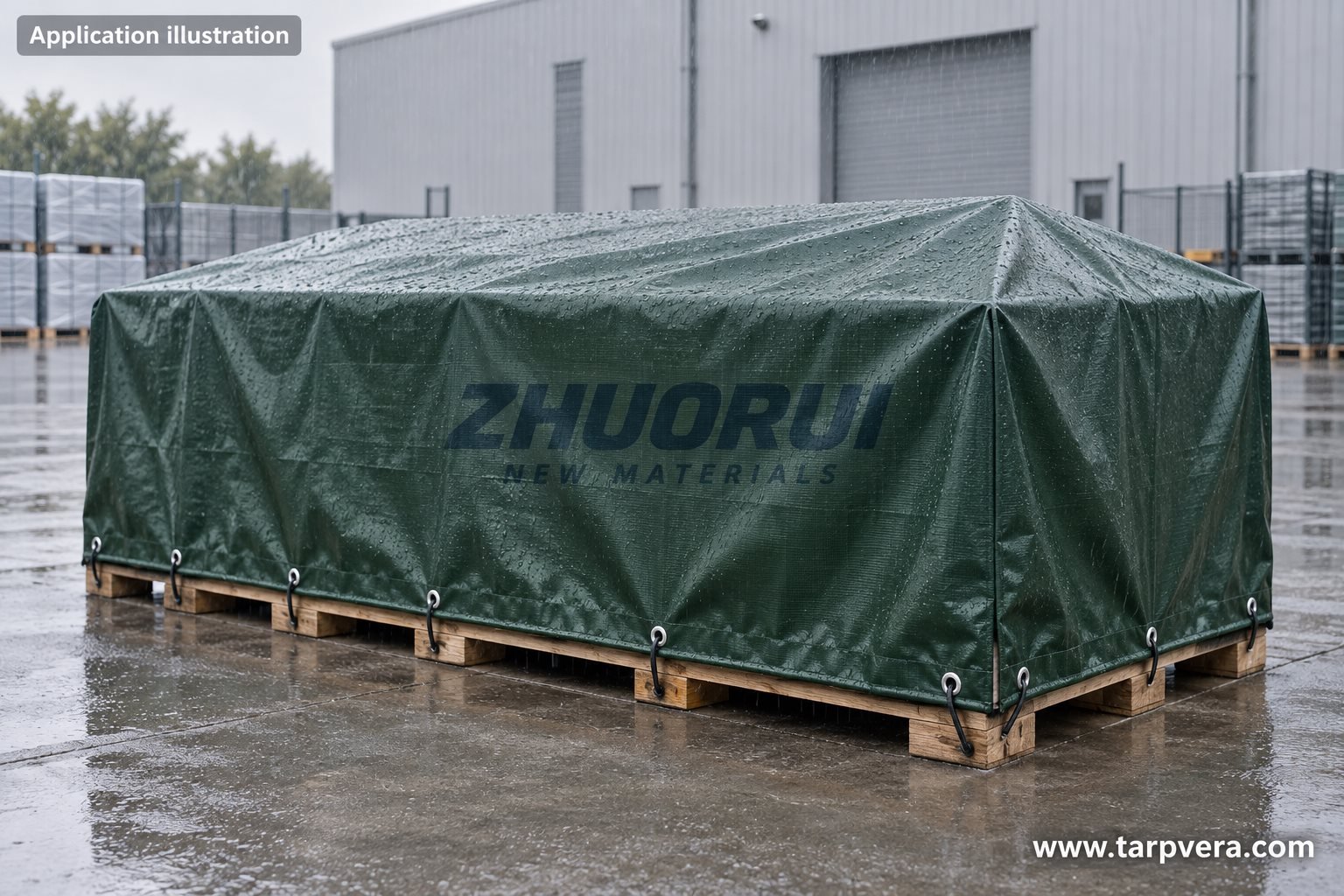
2. Plan water drainage and attachment
Send a sketch showing the covered object, supporting structure, openings and attachment points. Identify places where water could collect or enter. Agree seams, edge reinforcement and eyelet positions with the supplier; do not assume that the fabric alone determines the performance of the finished cover.

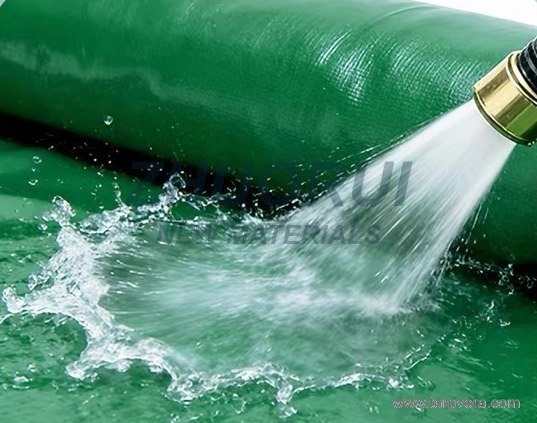
View the water-holding demonstration
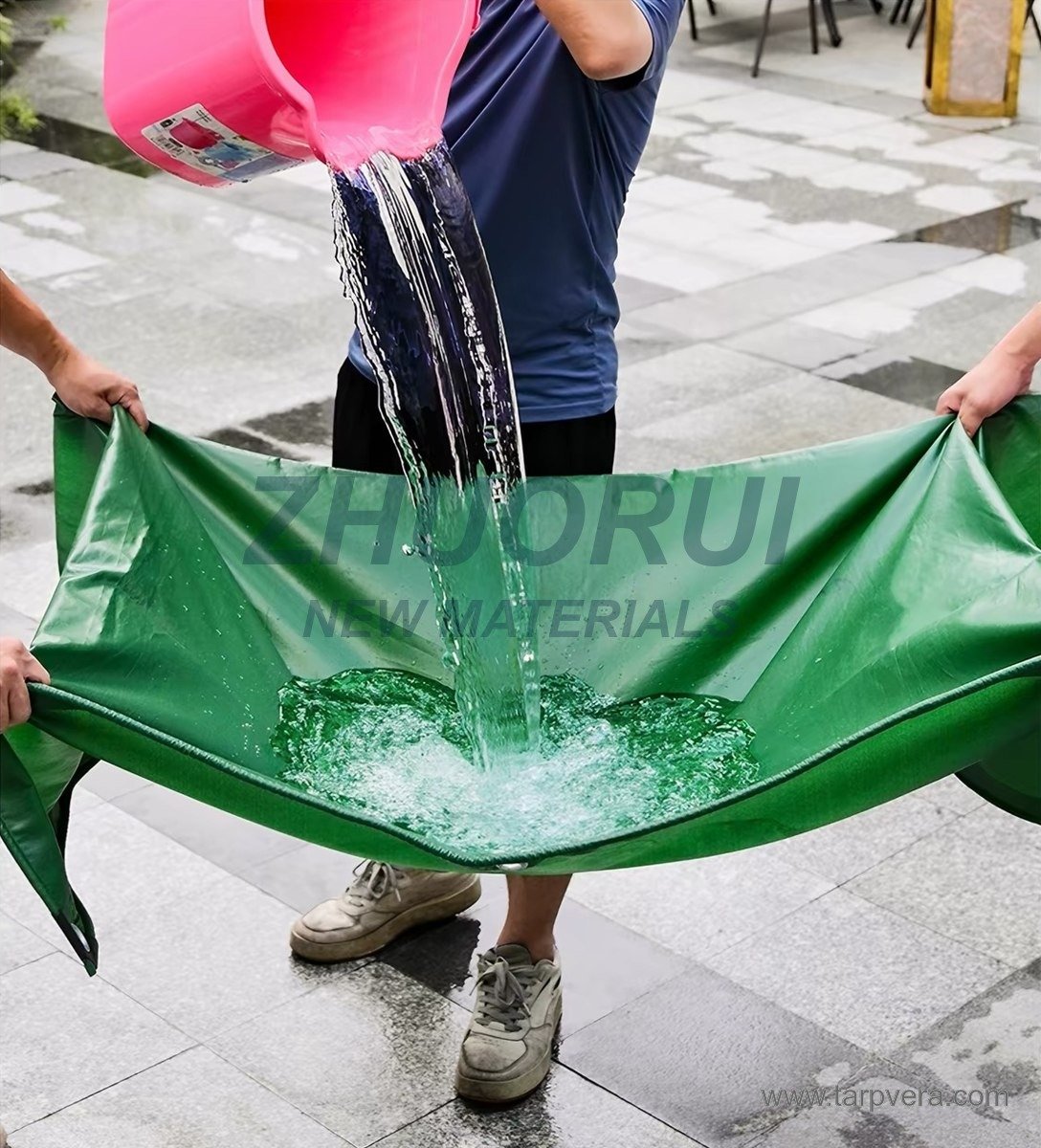
Video not playing? Open it here ↗
59 sec · 7 MB · Opens in a new tab
59 seconds · English captions
See the material and finishing up close
- Water handling on the coated surface
- Reinforced corners and attachment points
- Seam and edge finishing details
Tell us your application, dimensions, quantity and destination. We will confirm the material and finishing for your order.
Request a QuoteGreen sample shown. This demonstration does not replace a specification-specific test report.
3. Compare a complete specification
- Fabric construction and coating, plus target weight or thickness where known.
- Finished dimensions, measurement units and agreed tolerances.
- Seams, edges, eyelets, straps and access openings.
- Colour sample and any required performance evidence.
- Quantity, packing and destination city or port.
4. Review a sample before committing
TarpVera provides free samples and free sample shipping. Confirm the sample reference, availability and dispatch arrangements. Compare colour, handling and proposed finishing. Ask which report applies to that exact material; a general company certificate is not a waterproof or UV rating for every product.
5. Confirm the delivery plan
Separate sample dispatch, production and transport in your schedule. Give your required arrival date and ask which freight, import and local delivery charges the quotation includes. The written order should identify the approved material and construction before production.
Plan your rainy-season cover
Send your application, finished dimensions, quantity and delivery destination. We will help confirm a suitable PVC specification and finishing.
Request a custom quotation